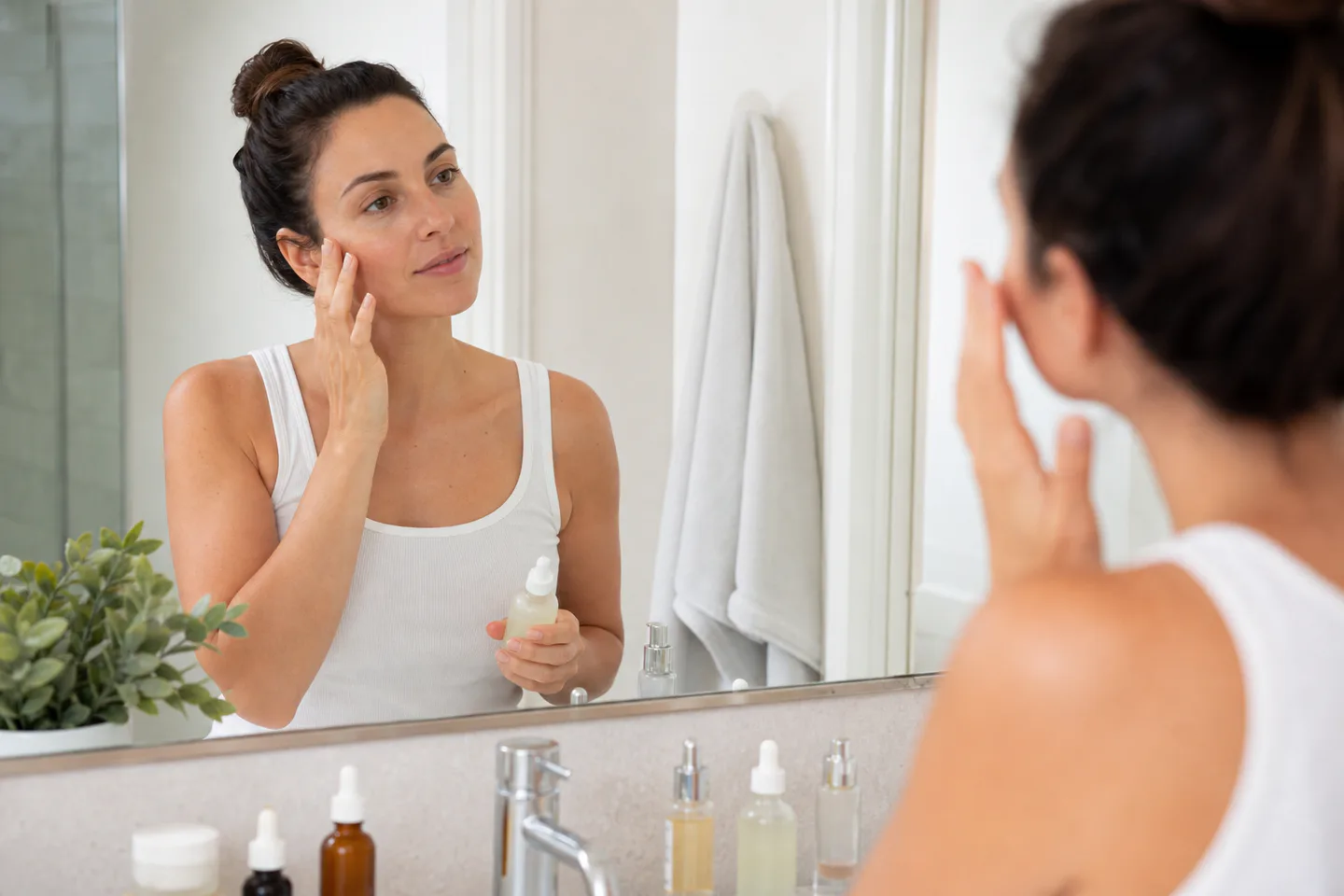
Best Moisturizers for Sensitive-Feeling Skin
A short ingredient list and a comfortable finish often beat a complicated promise.
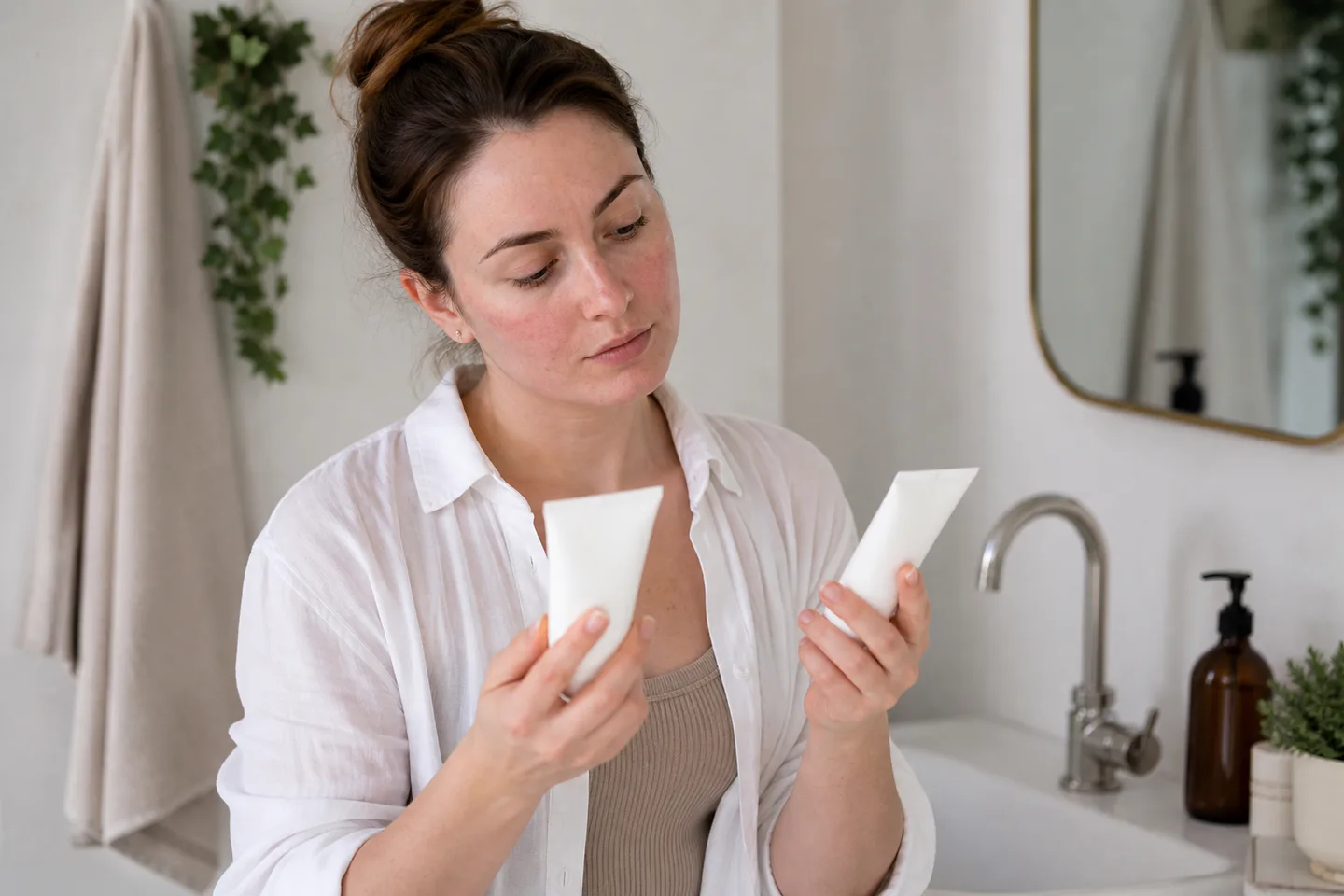
Choose around the routine, not the feature list.
- Best for
- People seeking a simple daily moisturizer for skin that often feels dry, tight or easily bothered.
- Skip if
- You have persistent rash, swelling, pain or a diagnosed condition that needs individualized medical care.
Three useful starting points
These are product types, not claims that we personally tested a specific model.
Fragrance-free lotion with humectants
Layers easily for normal-to-oily skin and humid weather.
Ceramide-rich cream
Provides a richer seal for dry or seasonally stressed skin.
Plain occlusive balm
Useful for small dry patches over a basic moisturizer.
Best Moisturizers for Sensitive-Feeling Skin
Sensitive-feeling skin makes product shopping noisy. A jar may promise calm while adding fragrance, plant extracts and several active ingredients you did not ask for. A useful moisturizer has a simpler job: support comfort and reduce water loss without creating new irritation.
Texture matters because consistency matters. The right formula is one you can apply in the amount you need, beneath sunscreen in the morning and after cleansing at night.
What to consider before you buy
Fragrance-free is a practical filter
It does not guarantee a reaction-free product, but it removes a common source of unnecessary scent ingredients from a routine designed for comfort.
Humectants and occlusives do different jobs
Humectants attract water in the outer skin layer, while occlusive ingredients slow water loss. Many useful moisturizers combine both.
Finish determines layering
A morning formula should sit comfortably under your sunscreen and makeup if used. A richer night cream can prioritize cushioning over speed.
Patch testing reduces surprises
Try a small area and introduce one new product at a time. Stop using a product and seek care for significant or persistent reactions.
Match the choice to real life
The same product category can reward very different priorities. Use the situation closest to your week as the first filter, then compare details.
- For a humid commute, choose a light lotion and let it settle before sunscreen.
- For dry indoor heating, use a richer cream on slightly damp skin after cleansing.
- For a compromised-feeling patch, keep the routine short and avoid stacking exfoliating actives.
Write down the two problems you need the purchase to solve and one compromise you will accept. That short list is more useful than comparing every possible feature.
What not to overpay for
A higher price can buy better materials, support or convenience, but only when those benefits fit your routine. Avoid paying for features that add setup, storage or maintenance without removing a real frustration.
- Treating “natural” as proof that a formula is gentle.
- Adding several new products while trying to identify a trigger.
- Using a cosmetic recommendation as a diagnosis for persistent symptoms.
Frequently asked questions
Is fragrance-free the same as unscented?
Not always. “Unscented” products may contain masking ingredients, while fragrance-free generally indicates no added fragrance.
Can a moisturizer cause breakouts?
Any formula can be a poor fit for an individual. Texture, other routine steps and skin condition all matter.
Should I apply to damp skin?
Applying after gentle cleansing while skin is slightly damp can help many moisturizers reduce water loss.
A note about our links
Retailer buttons lead to current search results so you can compare available options. No affiliate tracking ID was supplied for this site at launch. If a link later becomes an affiliate link, a commission may be earned at no additional cost to you; our editorial criteria remain the same.